ACLS DSA Academic Freedom FellowsThe Dance Studies Association’s Standing Committee on Membership and Professional Development (SCoMPD) is thrilled to announce the DSA Academic Freedom Fellows, funded by the American Council of Learned Societies (ACLS), to promote a network of support and visibility for precarious scholars. Through direct distribution of $1,500 USD microgrants to awarded fellows (in addition to 2027 conference registration waiver), this program aims to resource and platform dance/performance artists, scholars, artist-scholars, and researchers doing justice-oriented work* at the intersection of 1) economic/institutional precarity (e.g., contingent faculty, independent scholars, graduate students without access to other sources of funding) and 2) vulnerable scholarship (e.g., researchers whose work faces content suppression, defunding, and outright censorship in current political regimes whether because of content or geopolitical context). The fellowship year includes regular virtual gatherings, wherein fellows co-faciliate peer-to-peer development of projects, and the opportunity to present at the 2027 DSA conference as a cohort of DSA Academic Freedom Fellows. *Including but not limited to community accountability and healing/care work, decolonial and antiracist research, public scholarship and community engaged performances/art/events benefitting marginalized communities, embodied/performance based activism, archival recovery/redressing of underrepresented/invisibilized histories, artistic projects critiquing national/governmental/colonial projects and structures, cultural organizing and grassroots coalition building. El Comité de Membresía y Desarrollo Profesional (SCoMPD) de la Dance Studies Association (DSA) se complace en anunciar las becas «DSA Academic Freedom Fellows» (Becas de Libertad Académica de la DSA), financiadas por la organización American Council of Learned Societies (ACLS), con el fin de fomentar una red de apoyo y visibilidad para académicos en situaciones de precariedad. Mediante la asignación directa de microsubvenciones de 1.500 USD a beneficiarios (además de la exención de la cuota de inscripción para la conferencia de 2027), este programa busca brindar recursos y visibilidad a artistas de danza y performance, académicos, artistas-académicos e investigadores que realizan trabajos orientados a la justicia social* en la intersección de: 1) la precariedad económica o institucional (por ejemplo, profesorado con contratos temporales, investigadores independientes o estudiantes de posgrado sin acceso a otras fuentes de financiación) y 2) la investigación en situación de vulnerabilidad (por ejemplo, investigadores cuyo trabajo se enfrenta a la supresión de contenidos, recortes de financiación o censura directa bajo regímenes políticos actuales, ya sea debido al contenido de la investigación o al contexto geopolítico). El año de la beca incluye reuniones virtuales periódicas, en las que las personas becarias facilitan conjuntamente el desarrollo de proyectos, así como la oportunidad de realizar una presentación en la conferencia de la DSA de 2027 como grupo «Academic Freedom Fellows» de la DSA. Meet the Fellows
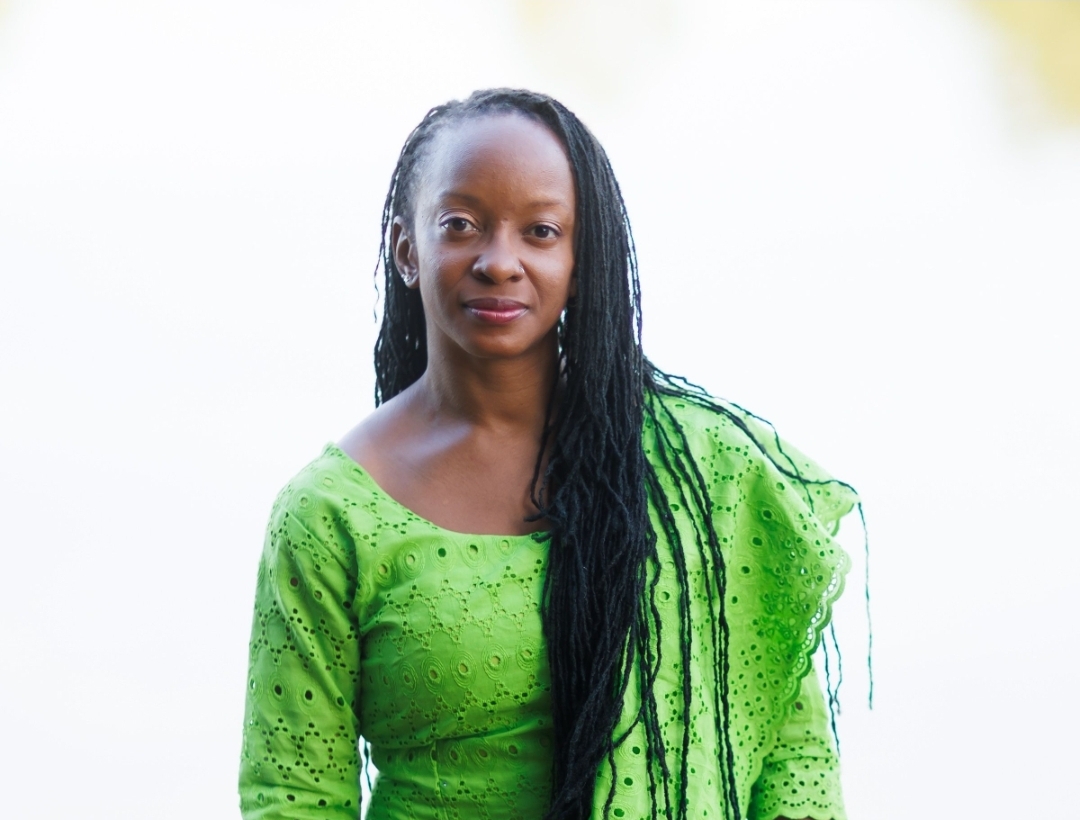
Project Description: Tamara “Ṣàngóbanke” Williams’ Under the Oak Tree is a community-engaged research and performance project exploring African diasporic narratives, history, and cultural knowledge through dance, oral history, and archival research. This project explores the re-imagining of Ring Shout traditions, while centering on forms of knowledge that have been historically erased, underdocumented, or excluded from dominant narratives. The project will include the collection, organization, and analysis of archival materials, photographs, videos and other forms of community-held knowledge. This work will build a sustainable research archive and strengthen the documentation of the people, stories, practices, and cultural contexts that inform the project. These artifacts are essential to this project as legitimate forms of scholarship and the synthesization of dance, will serve as a method for recovering and transmitting histories that are vulnerable to erasure. Through this research, community gatherings, and performance, Under the Oak Tree creates opportunities for intergenerational exchange and collective reflection on freedom, ancestry, resilience, and identity. The project is grounded in an ethic of reciprocity: research is developed with and returned to communities through performance, documentation, dialogue, and accessible public scholarship. The DSA Academic Freedom Fellowship will create space to situate Under the Oak Tree within broader conversations about academic freedom, decolonial research, cultural preservation, and the role of dance and performance in protecting and activating histories that remain vulnerable to erasure.
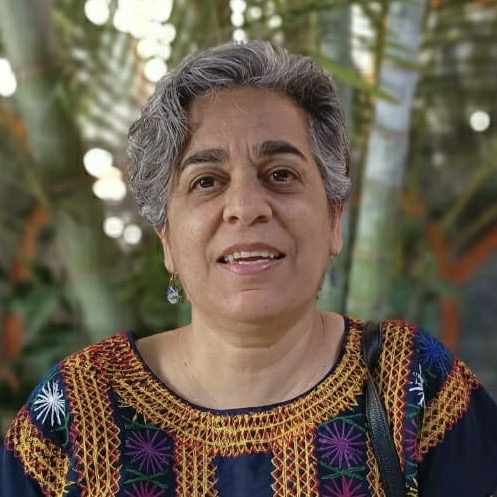
Leila Mire (she/her) is a Ph.D. candidate in Theater, Dance, and Performance Studies at the University of California, Berkeley, where she studies the political life of dance under conditions of settler colonialism, displacement, and war. Her interdisciplinary research brings together performance studies, Palestinian studies, and critical ethnography to examine movement as a site of memory, political labor, and collective survival. Her dissertation investigates Palestinian dabke in refugee camps in Lebanon and across the diaspora, arguing that dance is not simply cultural expression but a practice through which communities reproduce social life under protracted displacement. Drawing on embodied fieldwork, archival research, oral histories, and performance analysis, she examines how choreographic practices transmit historical memory, sustain relationships, and create infrastructures of collective care. Mire is also a choreographer, educator, and community organizer. She performs with Al-Juthoor Dabke, co-founded the Palestinian Studies Working Group at UC Berkeley, and organizes with the Arab Resource & Organizing Center. Her research has been supported by the Helen Krich Dissertation Fellowship, Social Justice Award, ACES Graduate Student Learning Community, Palestinian and Arab Studies Program, and Sultan Fellowship. Project Description: What’s a Revolution If I Can’t Dance? What’s Dance Without Suffocated Revolutions examines Palestinian dabke as a form of political labor under conditions of displacement, statelessness, and settler colonialism. Rather than asking when dance becomes resistance, the project asks what dance makes possible when conventional political institutions are fragmented, inaccessible, or under attack. Focusing on Palestinian refugee camps in Lebanon and diasporic communities in the United States, I argue that dabke does more than represent national identity or preserve cultural heritage. It helps reproduce social life by transmitting historical memory, sustaining relationships, organizing collective feeling, and creating forms of belonging across geographic and political rupture. The project draws on ethnographic fieldwork, oral histories, archival research, and performance analysis. By bringing performance studies into conversation with Palestinian studies, diaspora studies, and critical ethnography, the research develops an account of dance as infrastructure: a practice through which communities maintain social worlds amid ongoing dispossession. The project ultimately argues that political life is sustained not only through formal movements and institutions, but through everyday embodied practices that preserve relationships, memory, pleasure, and collective possibility.
Mahsa Hojjati is an independent dance scholar whose current book project is under review by Bloomsbury Academic. Her publications include “Halei Histories: Resistance through Cultural Specificity in the Qashqāi Dances of Iran,” in Dance Chronicle (49.1, 2026) and “Sistani Dances as Connective Paths to Group Identity: The Dances of Migrant Sistani Communities in Golestan Province,” in Dance in the Persianate World (ed. Anthony Shay 2023). Her feature articles have appeared in Dance International Magazine and Ajam Media Collective. She served on the Board of Directors at the Dance Studies Association (2023–2025) and as Chair for the Iranian Dance Studies Working Group at the Dance Studies Association (2022 to 2024). At the Dance Center of Iran (a platform connecting dancers and scholars across Iran and the diaspora through virtual events), she served on the Board of Directors from 2020-2023. In a country where dance has been prohibited in public spaces for forty-seven years, Hojjati’s research highlights dance forms of fourteen linguistic groups in Iran with underrepresented histories and limited visibility. She has also served as mentor to dance practitioners and scholars at risk for the past four years. Since 2022, she has served as advisor and translator for several Iranian-based dancers in their applications to universities, dance schools, conferences, and film festivals in the United States, Canada, Europe and Türkiye. Two students she advised are now in graduate programs in the US, and one currently performs with a group in Türkiye while awaiting admission to a graduate program. Project Description: In Iran dance has been prohibited in public spaces for nearly fifty years. Male folk dance troupes can occasionally perform in festivals, but women are not allowed to dance in public. Although these restrictions have been continuously contested - especially in the past three years - most dancing occurs in private spaces. No public dance schools or institutes have existed in Iran since 1979. Nevertheless, communities continue to dance across the country. My book project provides detailed descriptions of the dances of linguistic groups in Iran in connection to their histories and cultural contexts. While this book can appeal to scholars and practitioners interested in Iranian and Persianate dances, it is also intended for readers interested in Dance Studies, Dance History, Critical Ethnography, Folklore Studies, Cultural Studies, and Iranian Studies.
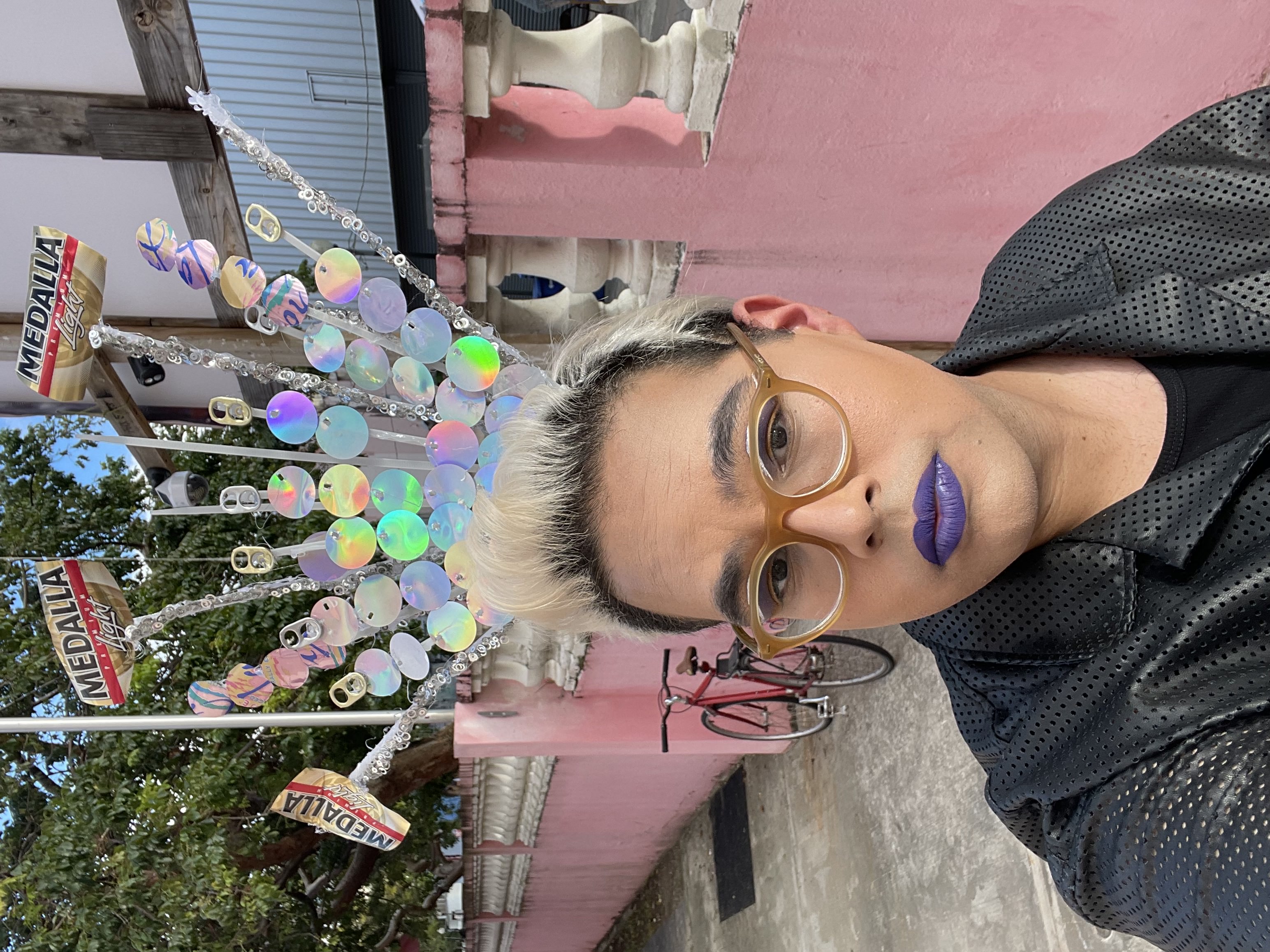
Dozandri C. Mendoza (they.she.elle.ella) is an Assistant Professor in Sociolinguistics and Applied Linguistics at the Department of English at Hunter College, City University of New York (CUNY). As a sociocultural linguist at the intersection of dance studies/dance anthropology, Puerto Rican Studies, Black Studies, and semiotics, they are passionate about curating creative research-based interventions with students through their pedagogy and research projects. Their classes engage students in photographic, kinesthetic, and sonic methods for researching the connection between language, hegemonic power, and the body. Their research agenda is grounded in community-based participatory arts research in collaboration with the kiki/Ballroom scene in San Juan, Puerto Rico. More recently, their agenda has expanded to look at Ballroom as a trans diasporic cultural formation across the Caribbean basin. Their work explores the semiotics and transmission of memory/ancestry via the performing body, colonial tensions of language, verbal art traditions such as throwing shade/reading, and the enregisterment of embodied and danced signs in vogue performance. They also think about how dance and performance can be profound sites through which to examine the effects of and resistance to colonialism, empire, and race/class/gender-based oppression inspired by their time collaborating/walking in kiki/Ballroom spaces. Project Description: My ACLS/DSA Academic Freedom Fellowship will serve as a start-up for La Kikiteca, a new research laboratory dedicated to the linguistic and embodied practices of the Ballroom scene, as well as a trans Black and Latinx performance-focused incubator space. Using the microgrant funds, La Kikiteca will launch the “Kikitorio XChange” project, a community-engaged, participatory ethnographic encounter between the Ballroom scenes in San Juan, Puerto Rico, and Chetumal, México. Through two micro-residencies, two Ballroom artists will be funded to travel to each of these scenes, teach a free workshop for the community, and contribute to a larger audio documentary repository being built on the transformation of Ballroom categories and their embodied/communicative repertoires in local contexts. The Kikitorio XChange project is a portmanteau inspired by the small-scale community-oriented format of the kiki ball blended with the Spanish term “conversatorio,” a space where folks can learn and practice a particular performance category from Ballroom, while also discussing how these performance genres help folks respond to and resist colonial cisheteropatriarchal power. It is inspired by an existing “kikitorio” model hosted by La Nube Casa Cultura, a self-described “casa cultural marika” in Quito, Ecuador that has brought together artists from across the Colombian and Ecuadorian kiki/Ballroom scenes. The program is grounded in the belief that Ballroom history is best transmitted through the body, and that our bodies dancing and moving together can generate productive experiments in memory and political practice related to trans resistance and movement-building across the hemisphere.
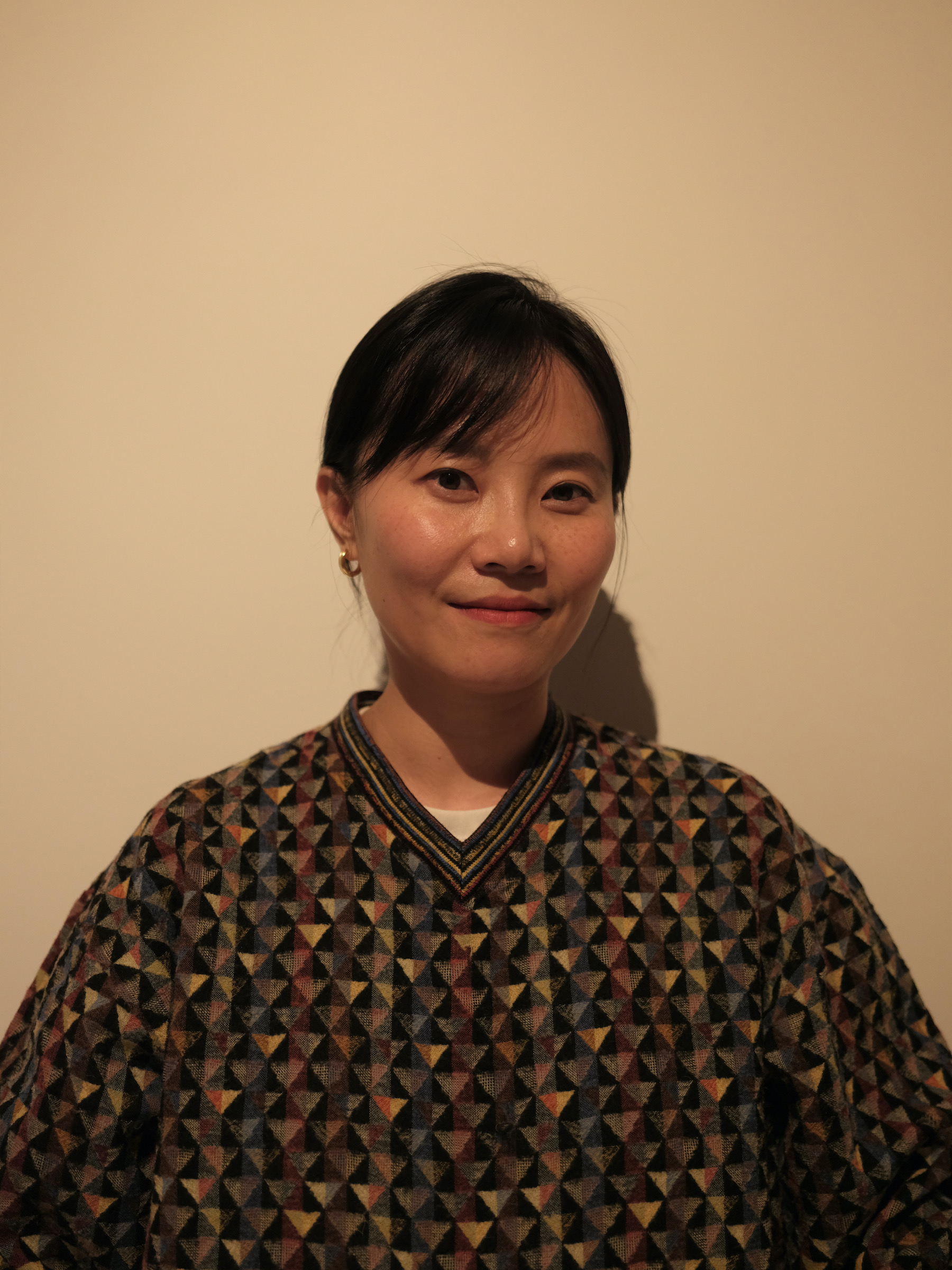
Yao Xu is a dance scholar, practitioner, and educator. She received her PhD in Dance Studies from Temple University in 2026 and is currently a visiting lecturer in dance at Middlesex University’s Hainan campus in China. Her research examines the intersections of aesthetics and politics in Chinese independent choreography, with broader interests in transnational Chinese performance, the political economy of dance, and theories of affect and emotion. Her dissertation, “Beyond Resistance: Aesthetics and Politics of Chinese Independent Choreography,” examines how independent choreographic practices in contemporary China negotiate state institutions, cultural markets, aesthetic conventions, and shifting conditions of artistic autonomy. Xu received the Dance Studies Association’s Selma Jeanne Cohen Award in 2024 and was selected for the Adjudicated Emerging Scholars Panel at the 2025 Association for Asian Performance conference. Her scholarship has been published in Chinese- and English-language journals, including Dance Research Journal and Asian Theatre Journal. Xu has also contributed to cross-cultural scholarship through translation. She served as bilingual translator for Planting Seeds: ADF and Modern Dance in China, an oral history project partially funded by the Asian Cultural Council, and translated Susan Koff’s Dance Education: A Redefinition (2022) for publication by Beijing Normal University Press. As a dancer and choreographer, Xu has collaborated with artists including Yabin Wang, Xiaoni Chang, Mark Haim, and Pedro Ruiz. Her performance and choreographic works have been presented at venues including China’s National Centre for the Performing Arts, Kaye Playhouse, and Lincoln Center Education. Her choreography The Body Politic was presented at Philadelphia’s Cannonball Festival’s BIPOC New Work track in 2022. Project Description: I am using the ACLS DSA Academic Freedom Fellowship to support the development of a book proposal based on my PhD dissertation, “Beyond Resistance: Aesthetics and Politics of Chinese Independent Choreography.” The project examines independent choreography emerging in the People’s Republic of China since the 2000s within the postsocialist transformations initiated by market-oriented reforms in the 1980s. Chinese independent choreography has often been associated with modern and contemporary dance and, by extension, with resistance to state cultural governance. “Beyond Resistance” challenges both this association and the epistemological framework that enables it. Dance in postsocialist China presents a set of problems difficult to explain through prevalent Dance Studies paradigms: relations among choreographers, cultural markets, state institutions, artistic autonomy, and cultural governance do not map neatly onto colonizer/colonized, state/individual, or oppression/resistance binaries. Nor are questions of gender, sexuality, class, and identity readily explained through liberal frameworks that presume individual autonomy and emancipation as their political horizons. Decades of institutional reform have made the boundaries between independent and institutional practice increasingly porous, as choreographers move within and beyond state institutions. Drawing on choreographic analysis, archival research, ethnographic fieldwork, and institutional analysis, my project asks how Chinese independent choreography might be understood through the postsocialist conditions from which it emerges. I argue that to choreograph independently is simultaneously to choreograph one’s dependence: negotiating state funding, mobilizing social and artistic capital, and making strategic aesthetic choices that enable independent practice. Independence thus emerges not from autonomy, but through the negotiation of relations of dependence.
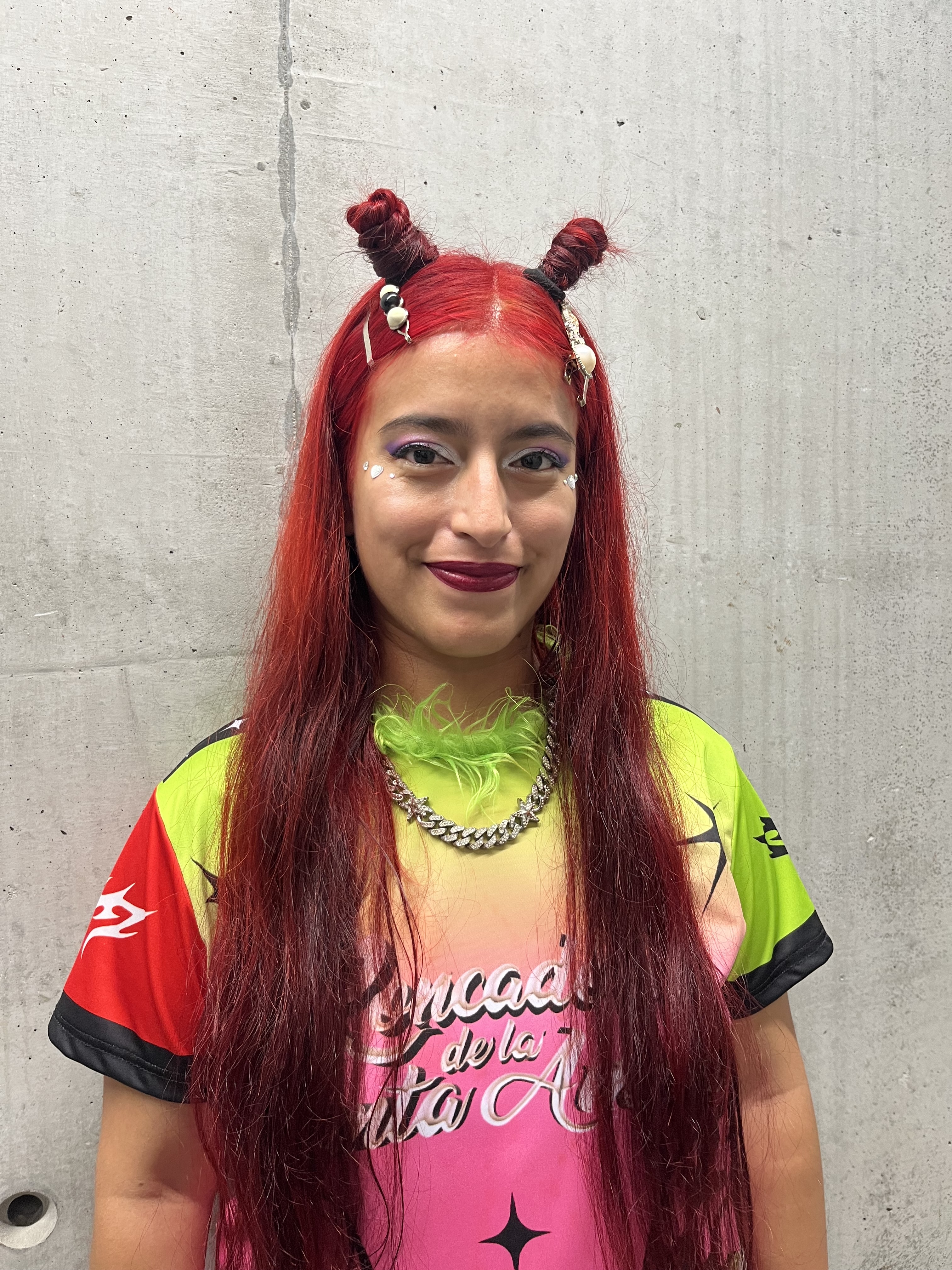
Milta Patricia Gonzales Sánchez Artista, educadora, investigadora académica y gestora cultural. Licenciada en Danza. Ha sido docente de Danza contemporánea en la Escuela Profesional de Danza de la Universidad Nacional Mayor de San Marcos (UNMSM) y asesora de tesis en la Universidad Nacional de Arte Escénico (UNAE). Sus áreas de especialización incluyen: migración andina peruana, archivo y diálogo intergeneracional; danzas y nacionalismos; y racialización y trabajo en las artes escénicas peruanas del s. XX. Es autora de varios libros sobre la historia de las artes escénicas en Perú, entre ellos: “Los pasos frustrados de Julio Castro Franco: Encrucijadas y paradojas del indigenismo en la danza escénica peruana del s. XX” (2022); “Una lectura a la crítica de Arguedas sobre Julio C. Tello y el Conjunto Pariakaka de Huarochirí” (2022) y Blackface y brownface en las artes escénicas peruanas del s. XX” (2021). Ha sido ganadora de diversas convocatorias de artes escénicas de instituciones destacadas como Proyecto Especial Bicentenario del Perú y Ministerio de Cultura de Perú. Ha colaborado en publicaciones institucionales como con la Dirección de Danza de la Universidad Nacional Autónoma de México. Recientemente ha sido reconocida por la Comisión de Cultura y Patrimonio Cultural del Congreso de la República por su destacada labor. Actualmente, es co-directora del Centro Cultural Balconcito y el proyecto artístico Roncadoras de la Santa Amador. Milta Patricia Gonzales Sánchez is an artist, educator, academic researcher, and cultural manager. She holds a degree in Dance. She has taught contemporary dance at the Professional School of Dance at the National University of San Marcos (UNMSM) and served as a thesis advisor at the National University of Performing Arts (UNAE). Her areas of specialization include Peruvian Andean migration, archives and intergenerational dialogue, dance and nationalism, and racialization and labor within 20th-century Peruvian performing arts. She has authored several books on the history of performing arts in Peru, including *Los pasos frustrados de Julio Castro Franco: Encrucijadas y paradojas del indigenismo en la danza escénica peruana del s. XX* (2022), *Una lectura a la crítica de Arguedas sobre Julio C. Tello y el Conjunto Pariakaka de Huarochirí* (2022), and *Blackface y brownface en las artes escénicas peruanas del s. XX* (2021). She has won various performing arts grants and awards from prominent institutions, such as Peru’s Special Bicentennial Project and the Ministry of Culture. She has collaborated with institutional publications, such as the Dance Directorate of the National Autonomous University of Mexico (UNAM). Recently, she was recognized for her outstanding work by the Culture and Cultural Heritage Commission of the Congress of the Republic of Peru. She currently serves as co-director of the Balconcito Cultural Center and the artistic project *Roncadoras de la Santa Amador*. Project Description: Standing Committee on Professional Development: Charmian Wells (VP), Hannah Schwadron (DSA President-Elect), Rebecca Fitton, Lizzie Leopold, Irvin Gonzalez, and Queen Meccasia Zabriskie. The fellowship continues the work of the committee’s Dance in Defense of Academic Freedom webinar series (2025) and ACLS Intention Foundry participation (2023-2024). El Comité de Membresía y Desarrollo Profesional (SCoMPD): Charmian Wells (vicepresidenta), Hannah Schwadron (presidenta electa de la DSA), Rebecca Fitton, Lizzie Leopold, Irvin Gonzalez y Queen Meccasia Zabriskie. Esta beca da continuidad a la labor del comité en la serie de seminarios web «Dance in Defense of Academic Freedom» (2025) y a su participación en el programa Intention Foundry del ACLS (2023-2024). |