Conversations Across the Field of Dance Studies
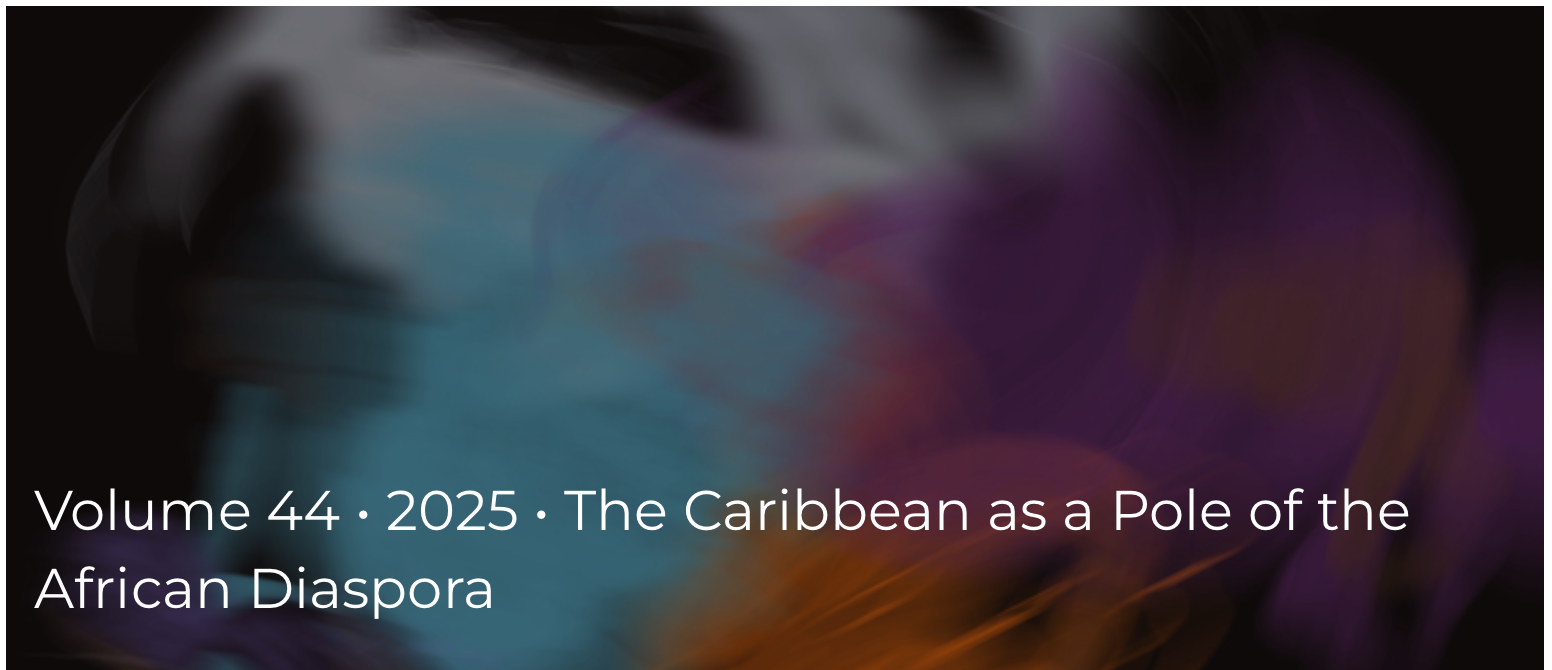
Conversations Across the Field of Dance Studies is an annual publication of Dance Studies Association dedicated to current themes and debates in the field of dance studies. Each issue is edited by (a) different guest editor(s) and is published online in an open access format. As such, Conversations is a venue in which scholars, artists, and educators of dance and related disciplines can respond quickly and publicly to current events and pressing issues as identified by members of an international dance studies community. Conversations has published annual issues from 2007-present. Prior to 2007, the Society for Dance History Scholars (SDHS) newsletter served as a similar platform for publication. Conversations is a completely open-access journal. Read entire issues on the e-platform. Conversations Submissions, Calls, and Other OpportunitiesConversations Across the Field of Dance Studies invites proposals for guest editors for Volume 46 of our annual publication. We welcome proposals from scholars at all career stages—including university faculty, independent researchers, artists, and educators working in dance and related disciplines across our international dance community. Read the Call for SubmissionsDeadline: September 5, 2026 The Conversations e-platform also hosts a Talk-Back/Letters from the Editors section and a quick response Chat. Guidelines for Chat Submissions Guidelines for Talk Back/Letters to the Editor 2025 Issue (press release announcement)The Caribbean as a Pole of the African Diaspora This issue, titled The Caribbean as a Pole of the African Diaspora, centers Ayiti (Haiti) as a locus for rethinking the entangled genealogies of African and Caribbean rhythms, dances, spiritualities, and identities. Curated by guest editors Emilie Jabouin and Karla Etienne, both Afro-descendant francophone women raised in Haitian households in Canada, the volume explores how dance acts as an embodied archive of belonging, resistance, and interconnection across the Black Atlantic. The editors frame this issue as a dialogue between the Caribbean and Africa—not as a one-directional flow from Africa to the Caribbean, but as a network of ongoing, reciprocal exchanges of rhythm, ritual, and philosophy. The collection draws together artists, scholars, and practitioners whose works trace how African aesthetics, cosmologies, and embodied practices persist, transform, and regenerate through Caribbean dance forms such as yanvalou, limbo, kokobalé, kumina, and in carnival. These dances articulate histories of displacement and liberation while foregrounding the drum, the body, and spirituality as central to life, memory, and revolution.
Cover image credit: Myrtle Henry Sodhi (AfroQuill), A Movement Across Time, November 2025 Cover image description: This digital image captures the idea of Ubuntu as expressed through dance and movement. Being through and with others is a movement across time. Steps, twists, folds, and reaches are echoed from the past, expressed in the present, and reverberate into the future. Dance is a way to feel together--through each other. This does not mean we disappear into each other but rather we appear through and with each other. Chats Vol.5: Global Contexts of Dance LabourNos complace presentar la primera edición bilingüe de Chats. Esta edición es fruto de la colaboración editorial entre Sicarú Vásquez, Ph.D. (Universidad Iberoamericana, Ciudad de México) y Andi Johnson (Universidad de Montfort, Reino Unido). La idea de proponer este tema surgió tras un año de conversaciones con amigos y colegas, de diferentes partes del mundo, sobre las dificultades de investigar la danza en sus países de origen y la necesidad de trabajar en inglés para poder publicar o ser escuchados. Este tipo de preocupaciones surgieron en los diálogos de espacios académicos que han buscado reunir diversos idiomas y contextos. Por ejemplo, la conferencia anual de la DSA en 2024 (Cartografías del movimiento), celebrada en Argentina, la cual contó con servicios de traducción apoyados por la comunidad. Asimismo, las conferencias virtuales de Dancing with Decolonisation1, coordinadas por quienes suscriben, se resolvieron a través de tecnologías de traducción para fomentar la participación multilingüe. Sin embargo, la investigación de la danza y el movimiento continúa desarrollándose a partir de una presencia global a pesar de —y quizás informada por— las dificultades encontradas por los investigadores y profesionales. Nuestro objetivo para esta edición es que las narrativas internacionales continúen inspirando a profesionales e investigadores de la danza de todo el mundo. Buscamos contribuir al diálogo actual sobre cómo la danza, como campo, puede ser resiliente en tiempos difíciles2. A través de una serie de “chats” internacionales, seguimos explorando soluciones para producir trabajo académico y artístico en el ámbito de la danza, aun cuando se tienen escasos apoyos. ------ We are excited to present the first bilingual (Spanish–English) edition of Chats! This publication is the result of a collaboration between colleagues Sicarú Vásquez, Ph.D. (Universidad Iberoamericana, Ciudad de México) and Andi Johnson (De Montfort University, United Kingdom). We proposed this topic after a year of discussion with friends and colleagues around the globe about the difficulties of conducting dance research in their home countries and the need to work and publish in English. These stories often arose within the limited available spaces that allowed multi-lingual and international access to academic networking and engagement such as the DSA annual conference in 2024 (Cartographies of Movement) hosted in Argentina with community-supported translation services, and Dancing with Decolonisation’s1 past few years of online research conferences (coordinated by the authors of this introduction), which have worked with translation technologies to encourage multi-lingual engagement. Yet, dance and movement research practices continue to develop from a global presence despite—and perhaps informed by—the difficulties encountered by researchers and practitioners. Our hope for this edition is that the international narratives that follow may continue to inspire dance research practitioners across the world to keep developing their work while adding to the current dialogue around how dance as a field can be resilient in difficult times2. Through a series of international “chats,” we continue exploring solutions for producing academic and artistic work in dance with limited support. Introduction by Andi Johnson and Sicarú Vásquez, Ph.D. Chats vol. 5 (English)Chats vol. 5 (Español)Explore all ChatsArushi Singh, Editor
|